Understanding Robot 24 Technology in Food Preparation
As the culinary landscape continues to evolve, the advent of robotics in food preparation is transforming traditional dining experiences. Among the frontrunners in this innovation is the Robot 24 platform, which integrates advanced artificial intelligence to streamline and enhance cooking processes. From automating food preparation to improving consistency, the role of robotics in the culinary world has never been more crucial.
What is Robot 24?
Robot 24 is an advanced robotic platform designed specifically for food service applications. This technology harnesses the capabilities of AI to perform various culinary tasks, ranging from simple food assembly to complex cooking operations. By leveraging machine learning and computer vision, Robot 24 can deliver precision in food preparation that is often unattainable by human chefs.
The Role of AI in Robot 24 Applications
AI plays a pivotal role in enhancing the functionality of Robot 24 applications. By utilizing algorithms that analyze a multitude of data points, these systems can adjust cooking times, temperatures, and ingredient combinations based on real-time feedback. This not only ensures a higher quality of food but also boosts efficiency in kitchens that are often overwhelmed during peak service times.
Key Innovations in Food Robotics
Recent innovations within the Robot 24 space include the integration of IoT (Internet of Things) technology, which allows for seamless connectivity between devices. This means that chefs can monitor and control food preparation remotely, providing unprecedented oversight and flexibility. Furthermore, advancements in robotic dexterity enable these machines to handle delicate tasks, such as plating and garnishing, which were previously considered exclusive to skilled kitchen staff.
Real-World Applications of Robot 24
The potential applications of Robot 24 technology are vast and varied. By examining real-world implementations, we can better understand how this technology is reshaping the food service industry.
Humanoid Robots in Culinary Environments
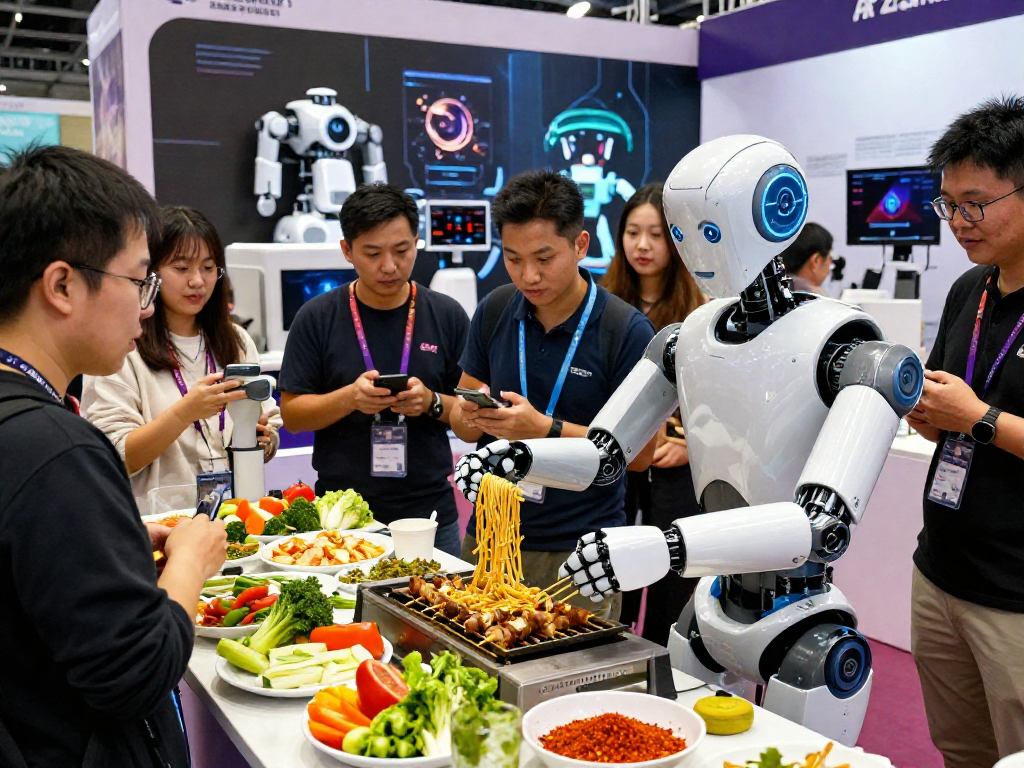
Humanoid robots equipped with Robot 24 technology are making significant strides in culinary environments. For instance, during the WAIC 2026 event, a humanoid robot demonstrated its ability to prepare and serve traditional Chinese dishes, including kebabs and hand-pulled noodles. Such demonstrations highlight the practicality of robotic chefs in high-volume food settings, where speed and accuracy are paramount.
Case Studies: Successful Implementation
Several restaurants and food services have successfully integrated Robot 24 technology, showcasing its potential. One exemplary case is a renowned fast-casual restaurant chain that adopted robotic systems to enhance productivity. Following the integration, the establishment reported a 30% increase in order fulfillment speed while maintaining quality standards.
Impact on Dining Experiences
The introduction of robots in food preparation not only improves operational efficiency but also enhances the overall dining experience. Diners are increasingly intrigued by the novelty of robotic chefs, which can create memorable experiences and encourage repeat business. Moreover, robots can ensure consistency in meal quality, which is a crucial factor for customer satisfaction.
Challenges and Solutions in Implementing Robot 24
While the advantages of Robot 24 technology are clear, several challenges must be addressed to facilitate widespread adoption in the food service industry.
Technical Obstacles in Food Robotics
One significant challenge in implementing robotic solutions in kitchens is the complexity of programming these systems to adapt to diverse cooking styles and recipes. Often, food preparation requires a level of creativity and adaptability that robots struggle to replicate. To overcome this, ongoing advancements in AI and machine learning are essential, enabling robots to learn and improve over time.
Consumer Acceptance and Trust
Another hurdle is gaining consumer acceptance of robot-prepared food. Some diners may harbor skepticism regarding the taste and quality of meals prepared by machines. Educational initiatives and marketing campaigns focused on showcasing the capabilities of robotic chefs could play a pivotal role in changing public perceptions.
Regulatory Considerations for Robotics in Food
Regulatory frameworks surrounding food safety and labor laws also present challenges. As robotic systems take on more responsibilities, it is crucial to ensure compliance with safety standards and regulations. Collaboration between food service operators and regulatory agencies will be key to addressing these issues effectively.
Best Practices for Leveraging Robot 24
To maximize the benefits of Robot 24 technology, food service operators should incorporate specific best practices during implementation.
Designing Efficient Food Preparation Workflows
Designing workflows that integrate robots seamlessly with human staff is essential. A well-thought-out workflow maximizes efficiency and minimizes potential disruptions to service. Operators can utilize workflow mapping to identify areas where robotic systems can most effectively contribute.
Training Staff to Work Alongside Robots
Staff training is paramount for successful implementation. Employees should be equipped not only to operate and maintain robotic systems but also to augment their capabilities by providing creative input and overseeing complex operations that require human intuition.
Measuring Success in Robot 24 Deployments
Establishing metrics to assess the performance of Robot 24 technology is crucial for continuous improvement. Operators should track key performance indicators such as order fulfillment speed, customer satisfaction scores, and operational costs to gauge the effectiveness of robotic systems over time.
Future Trends in Robot 24 and Food Robotics
The future of Robot 24 technology in the food industry is bright, with several emerging trends poised to reshape the landscape further.
Emerging Technologies to Watch
Technologies such as augmented reality (AR) and virtual reality (VR) are expected to play a significant role in training and enhancing the operational capabilities of human-robot collaborations. For instance, AR can provide real-time data overlays to chefs working alongside robots, enabling more efficient decision-making.
Predictions for 2026 and Beyond
As we move toward 2026, the integration of more sophisticated AI systems in Robot 24 is anticipated. We may see robots that can comprehend customer preferences and adapt their cooking techniques accordingly, personalizing meals to an unprecedented degree.
How Robot 24 Will Shape the Future of Dining
In the coming years, Robot 24 is expected to influence not just food preparation but the entire dining experience. The blending of technology with culinary arts promises to create dynamic environments where customers can witness their meals being prepared in real-time, enhancing engagement and enjoyment.
What is the potential of humanoid robots in food preparation?
Humanoid robots hold tremendous potential in food preparation, offering consistency, speed, and the ability to perform repeat tasks efficiently. Their presence can alleviate labor shortages in the culinary industry while maintaining high standards of food quality.
How can businesses successfully integrate Robot 24 technology?
Successful integration requires careful planning, investment in training, and a commitment to continuous improvement. Businesses should pilot projects on a smaller scale to refine their processes before full-scale implementation.
What are the key benefits of using Robot 24 in food service?
The primary benefits include increased efficiency, reduced labor costs, and enhanced food quality consistency. Robot 24 enables food service operators to meet rising consumer demands without compromising on quality.
What challenges do businesses face with Robot 24?
Key challenges include technical integration, consumer acceptance, and navigating regulatory frameworks. Addressing these challenges requires a collaborative approach between technology providers, operators, and regulatory bodies.
Are consumers ready for robots in food preparation?
Consumer readiness varies, but the increasing familiarity with technology in daily life suggests a growing acceptance of robots in food preparation. Engaging marketing efforts that highlight the benefits of robotic chefs will be instrumental in fostering this acceptance.