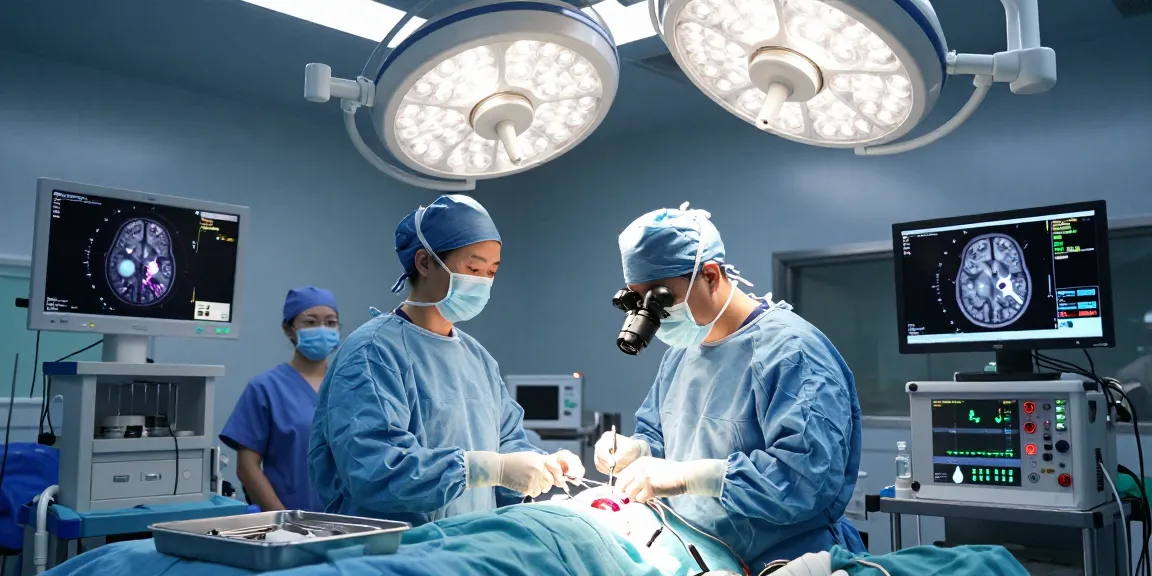
Understanding Brain Tumors and Surgical Options
Brain tumor surgery is a complex yet crucial intervention aimed at removing both benign and malignant tumors from the brain. This surgical approach can significantly improve patient outcomes and quality of life. With advancements in medical technology and surgical techniques, procedures have become safer and more effective. For those considering options in this field, it’s essential to gather reliable information on brain tumor surgery, particularly beyin tümörü ameliyatı, the types of brain tumors, symptoms, risks, and recovery processes involved in the surgery.
What is a Brain Tumor?
A brain tumor is an abnormal growth of cells within the brain or surrounding areas. Tumors can be classified into primary, which originate from brain cells, and secondary, which result from cancer spreading from other parts of the body. These tumors can either be benign (non-cancerous) or malignant (cancerous), with differing implications for treatment and prognosis.
Types of Brain Tumors and Their Impact
There are several types of brain tumors, including:
- Meningiomas: Typically arising from the meninges, they are often benign and slow-growing.
- Gliomas: These include astrocytomas and glioblastomas, with glioblastoma being one of the most aggressive types.
- Metastatic tumors: These are cancers that have spread to the brain from other body parts, such as the lungs or breast.
- Acoustic neuromas: Benign tumors that affect balance and hearing, usually growing on the vestibulocochlear nerve.
The type of tumor, its location, and its growth pattern greatly influence treatment decisions and patient outcomes.
Common Symptoms and When to Seek Help
Patients with brain tumors may experience a range of symptoms, including:
- Persistent headaches
- Nausea or vomiting
- Changes in vision, speech, or balance
- Seizures
- Altered mental status or personality changes
It is crucial for individuals experiencing these symptoms to seek medical evaluation promptly, as early diagnosis can lead to better treatment options.
The Process of Brain Tumor Surgery
Preoperative Assessment and Planning
The journey towards brain tumor surgery begins with a thorough assessment. Physicians typically conduct imaging studies such as MRI or CT scans to evaluate the tumor's characteristics. During this stage, the surgical team formulates a comprehensive plan, considering the tumor's type, size, and location, as well as the patient's overall health status.
Key Surgical Techniques in Beyin Tümörü Ameliyatı
Modern surgical techniques have transformed brain tumor surgery. Key methods include:
- Microdissection: Allows the surgeon to remove tumor tissue with minimal damage to surrounding brain tissue.
- Awake craniotomy: Used for tumors located in functional areas of the brain, enabling real-time feedback during surgery.
- Navigational surgery: Utilizes advanced imaging techniques to guide the surgeon precisely to the tumor.
Each technique is selected based on the specific needs of the patient and the nature of the tumor.
What to Expect During the Surgery
Brain tumor surgery generally lasts several hours, depending on the tumor's complexity. Patients are placed under general anesthesia. The surgical team will perform a craniotomy, opening the skull to access the tumor. Once located, the tumor is carefully excised. The aim is not only to remove the tumor but also to preserve essential brain functions and minimize the risk of recurrence.
Risks Associated with Brain Tumor Surgery
Understanding Surgical Risks and Complications
As with any surgical procedure, brain tumor surgery carries some inherent risks. These may include:
- Bleeding within the brain
- Infection at the surgical site
- Neurological deficits, such as weakness or speech difficulties
- Seizures
A comprehensive discussion with the surgical team about these risks is essential for informed consent.
Potential Long-term Effects of Surgery
Though many patients experience significant relief following surgery, some may encounter long-term effects. This can include memory challenges, personality changes, or other cognitive declines, which are often manageable with appropriate follow-up care and rehabilitation.
How to Mitigate Risks
To reduce the likelihood of complications, it's vital to choose a highly qualified neurosurgeon and to follow pre- and post-operative instructions meticulously. Factors such as overall health, the tumor's location, and the surgical approach can also influence outcomes.
Post-Surgery Care and Recovery
Immediate Recovery Process After Beyin Tümörü Ameliyatı
The initial recovery process typically starts in the intensive care unit (ICU) to monitor vital signs and neurological function closely. Most patients are transferred to a standard hospital room within a few days, depending on their recovery speed.
Rehabilitation and Follow-Up Treatments
Post-operative rehabilitation plays a crucial role in recovery. Depending on the surgery's extent and the tumor's characteristics, patients may require:
- Physical therapy to regain strength and mobility
- Speech therapy to address communication challenges
- Cognitive therapy to support mental functions
Follow-up imaging studies, such as MRI, are essential to monitor for any signs of tumor recurrence.
Signs to Monitor During Recovery
Patients and caregivers should be vigilant for signs indicating possible complications, including:
- Severe headaches that do not respond to medication
- Changes in consciousness or alertness
- Seizures
- Fever or excessive swelling at the surgical site
Promptly reporting any concerning symptoms to healthcare providers can facilitate timely interventions.
Advancements in Brain Tumor Treatment
Innovative Technologies in Surgery
The landscape of brain tumor surgery is continually evolving, with new technologies making procedures safer and more effective. Innovations such as advanced imaging techniques and robotic-assisted surgery can enhance precision and minimize damage to healthy tissues.
Future Trends in Brain Tumor Management
As research advances, future trends may include:
- Personalized medicine tailored to individual tumor genetics
- Enhanced use of targeted therapies that directly attack tumor cells
- Integration of immunotherapy to boost the body's immune response against tumors
These advancements hold the promise of improved outcomes for patients diagnosed with brain tumors.
Multidisciplinary Approaches to Patient Care
A comprehensive treatment plan often involves a multidisciplinary team, including neurosurgeons, oncologists, neurologists, and rehabilitation specialists. This teamwork ensures that all aspects of a patient's care are addressed, optimizing outcomes.
What are the Costs associated with Beyin Tümörü Ameliyatı?
The cost of brain tumor surgery can vary greatly based on factors such as hospital stay duration, surgical complexity, and geographic location. Patients are encouraged to discuss anticipated costs with their healthcare providers and insurance companies to understand their financial responsibilities fully.
Financial Resources and Support for Patients
Many hospitals offer financial counseling and support services for patients facing brain tumor surgery. Additionally, various non-profit organizations may provide grants or assistance programs to help with medical expenses and related costs.
FAQs about Brain Tumor Surgery
What are the Success Rates of Surgical Intervention?
Success rates for brain tumor surgery depend on several factors, including tumor type, size, and location, as well as the patient's overall health. Generally, the earlier a tumor is treated, the better the outcomes.
How Can Patients Prepare Mentally for Surgery?
Mental preparation for surgery can include education about the procedure, discussing fears and expectations with healthcare providers, and engaging in relaxation techniques. Support from family and friends can also be invaluable.
What Should Patients Know About Anesthesia in Surgery?
Patients should understand the type of anesthesia that will be used and the associated risks. For more information, beyin tümörü ameliyatı offers valuable insights. Most patients receive general anesthesia, which is typically safe, but discussing any concerns with the anesthesiologist can provide peace of mind.