Understanding TradingView: A Comprehensive Overview
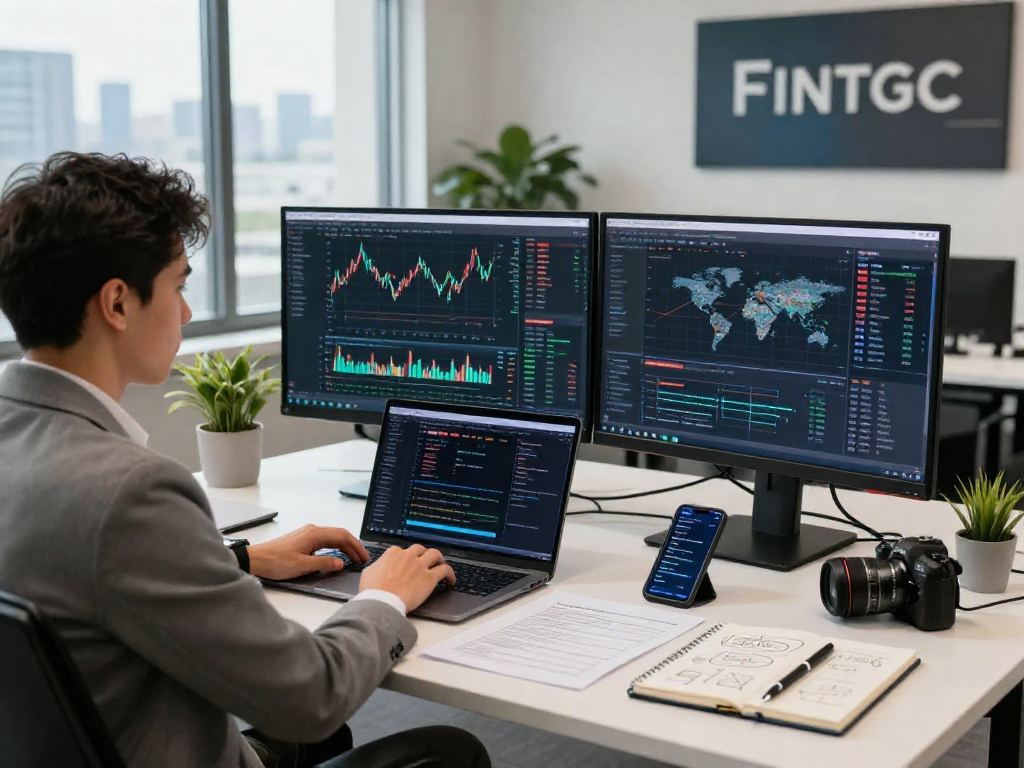
In the ever-evolving landscape of financial markets, tools that streamline the trading process and enhance decision-making capabilities are invaluable. TradingView has emerged as one such platform, providing users with an integrated workspace that combines charts, analytical tools, and real-time data across various asset classes—stocks, forex, cryptocurrencies, and derivatives. By consolidating these resources into a single interface, TradingView allows both novice and experienced traders to execute actionable research workflows that are tailored to their unique trading habits.
When exploring options, TradingView provides comprehensive insights, allowing users to create a complete closed-loop process from market observation to trade validation. Its versatile features cater to a wide array of trading styles, making it an essential tool for anyone looking to enhance their trading efficiency.
What is TradingView and Its Key Features?
TradingView is a web-based platform designed for traders and investors to analyze market trends, create charts, and develop strategies. Its intuitive design and extensive feature set make it an ideal choice for those who wish to delve deeper into market dynamics. Key features include:
- Multiple Chart Types: Users can choose from various chart styles, including candlestick, line, and bar charts, to visualize price action effectively.
- Customizable Indicators: The platform supports a wide range of technical indicators and drawing tools, enabling traders to personalize their analysis according to their strategies.
- Advanced Screener: TradingView's stock, forex, and crypto screeners help users identify potential trading opportunities based on specific criteria.
- Community Insights: Access to public scripts, strategies, and ideas shared by other traders promotes learning and collaboration.
- Pine Script: A built-in programming language that allows users to create custom indicators and backtest strategies effectively.
Advantages of Using TradingView for Market Research
The benefits of utilizing TradingView extend beyond its intuitive interface. Some of the notable advantages include:
- Real-Time Data: Users have access to live market data, ensuring timely information for informed decision-making.
- Cross-Platform Compatibility: TradingView can be accessed on web browsers and mobile devices, offering flexibility and convenience.
- Integrated Alerts: Traders can set up alerts based on specific criteria, reducing the need to constantly monitor the markets.
- Comprehensive Market Coverage: Whether tracking stocks, forex pairs, or cryptocurrencies, the platform's extensive database ensures no opportunity is missed.
Exploring User-Friendly Interfaces in TradingView
The user interface of TradingView is designed to cater to both beginners and advanced traders. New users can quickly familiarize themselves with essential features while experienced traders can leverage advanced tools without feeling overwhelmed. Key aspects include:
- Custom Layouts: Users can save and restore multiple layouts, including different asset classes and strategies, making it easier to switch contexts.
- Interactive Charts: The platform's zooming and panning capabilities allow users to focus on specific time frames or price action easily.
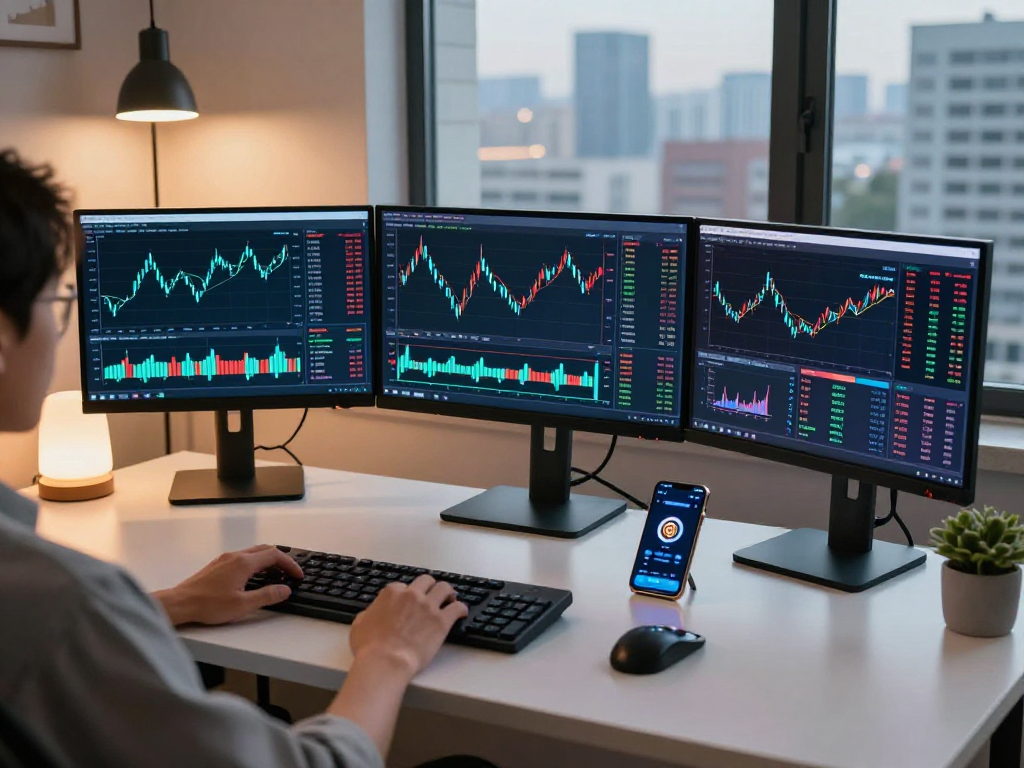
- Multi-Screen Layouts: Traders can set up multiple charts on one screen, facilitating comparative analysis of different assets.
Maximizing Trading Efficiency: Tools and Techniques
To achieve success in trading, it is essential to leverage the tools and techniques offered by platforms like TradingView. By mastering these tools, traders can significantly enhance their efficiency and effectiveness.
How to Set Up Alerts and Notifications in TradingView
Setting up alerts in TradingView is a straightforward process that allows traders to stay updated on important market movements without being glued to their screens. Users can create alerts based on various conditions, such as:
- Price Levels: Notify when an asset reaches a specific price point.
- Indicator Signals: Alerts based on crossings of moving averages or other technical indicators.
- Time Intervals: Set alerts to trigger at specific intervals, helping traders manage their time effectively.
Utilizing Pine Script for Custom Indicators
Pine Script is a powerful feature within TradingView that empowers users to design custom indicators and backtest trading strategies. This flexibility allows traders to refine their approaches based on real-time data. Key benefits of using Pine Script include:
- Creativity: Users can implement unique trading ideas that may not be available with standard indicators.
- Testing Strategies: The Strategy Tester tool enables backtesting of custom scripts against historical data to evaluate performance.
- Community Sharing: Users can publish their scripts to TradingView's public library, allowing others to learn and adapt strategies.
Best Practices for Using Charts and Layouts Effectively
Charts are the cornerstone of technical analysis, and utilizing them effectively can significantly enhance trading outcomes. Here are some best practices for chart usage:
- Use Multiple Time Frames: Analyze price movements across different time frames for a more comprehensive market view.
- Keep it Simple: Avoid cluttering your charts with too many indicators; focus on a few effective tools that align with your strategies.
- Documentation: Take notes on significant trades and market events directly on your charts to learn from past decisions.
Developing a Trading Strategy Using TradingView
Creating a robust trading strategy requires careful planning, research, and analysis. TradingView offers various features to aid in the development of effective strategies.
Creating a Backtesting Environment with TradingView
Backtesting is an essential component for validating trading strategies before implementing them in real-time markets. TradingView's Strategy Tester allows traders to:
- Evaluate Strategy Performance: Test how a strategy would have performed against historical data.
- Analyze Key Metrics: Review metrics such as win rate, drawdown, and profit factor to assess strategy viability.
- Adjust Variables: Make adjustments to trading parameters easily to optimize strategy performance.
Common Mistakes in Trading Strategies to Avoid
While developing a trading strategy, traders often encounter pitfalls that can derail success. Some common mistakes to avoid include:
- Overtrading: Executing too many trades can lead to diminished returns and increased transaction costs.
- Lack of Clarity: Not having a clear and defined trading plan can result in impulsive decisions.
- Ignoring Risk Management: Failing to implement adequate stop-loss orders can expose traders to unnecessary risks.
Real-World Examples of Successful Trading Strategies
Analyzing successful trading strategies can provide valuable insights and inspiration. For instance:
- Trend Following: Emphasizing the continuation of existing trends using moving averages for trade signals.
- Mean Reversion: Identifying overbought or oversold conditions and betting on price reversals.
- Breakout Strategies: Entering trades when the price breaks through established resistance or support levels.
The Role of Community in TradingView
The community aspect of TradingView is one of its most significant advantages, fostering a collaborative environment where traders can learn and grow together.
Engaging with Other Traders on TradingView
Connecting with other traders enhances the trading experience and provides opportunities for shared learning. Features that facilitate engagement include:
- Public Ideas: Users can share their trading ideas and insights, receiving feedback and insights from the community.
- Charting Collaboration: Collaboratively analyzing charts helps refine strategies and improve trading outcomes.
- Forums and Discussions: Community forums enable traders to discuss market trends, strategies, and more.
Contributing to the TradingView Community: Sharing Ideas
Active participation in the community benefits both individual traders and the platform. Users can:
- Publish Ideas: Sharing successful strategies or market analyses can earn recognition and help others.
- Comment on Ideas: Engaging with others' ideas fosters discussion and motivates continuous learning.
- Receive Acknowledgment: Being recognized for contributions may lead to increased engagement and networking opportunities.
Learning from Community Insights and Trends
The TradingView community is a treasure trove of insights. Users can benefit from:
- Market Trends: Keeping abreast of the latest trends discussed within the community can inform trading decisions.
- Diverse Perspectives: Exposure to various trading styles and ideas helps broaden a trader's perspective.
- Learning from Mistakes: Understanding common pitfalls from other traders' experiences can prevent similar issues.
The Future of Trading and the Role of TradingView
As the trading landscape continues to evolve, platforms like TradingView are crucial in helping traders adapt to new challenges and opportunities.
Predictions for Trading Trends in 2026
The financial markets are likely to see significant changes in the coming years. Some key predictions include:
- Growing Popularity of AI: Artificial intelligence will play an increasing role in algorithmic trading strategies.
- Increased Focus on Sustainability: ESG (Environmental, Social, Governance) investing will become a mainstream consideration for many traders.
- Rise of Decentralized Finance: DeFi platforms will continue to challenge traditional trading and financial systems.
How TradingView is Adapting to Market Changes
To remain relevant, TradingView is continually evolving its features and user experience. Upcoming enhancements may include:
- Enhanced AI Integration: Improved tools that utilize AI to analyze market trends and predict price movements.
- New Asset Classes: Continued expansion to incorporate emerging markets and trading products.
- Greater Customization: More options for users to personalize their dashboards and trading experience.
Future Features to Look Out for in TradingView
As the platform evolves, potential new features could include:
- Advanced Predictive Analytics: Tools that provide foresight into market movements based on historical data patterns.
- Integration with Blockchain: Offering features that leverage blockchain technology for enhanced security and transparency.
- Real-Time Social Sentiment Analysis: Tools to gauge market sentiment derived from social media and community discussions.
What Are the Benefits of Using TradingView in 2026?
By 2026, the benefits of using TradingView are expected to multiply, providing users with:
- Cutting-Edge Tools: Adopting the latest technology to enhance trading efficiency.
- Community Support: Ongoing collaboration and learning opportunities within a vibrant trading community.
- Adaptive Learning: As markets change, users will receive updates and educational resources to keep pace with evolving strategies.