
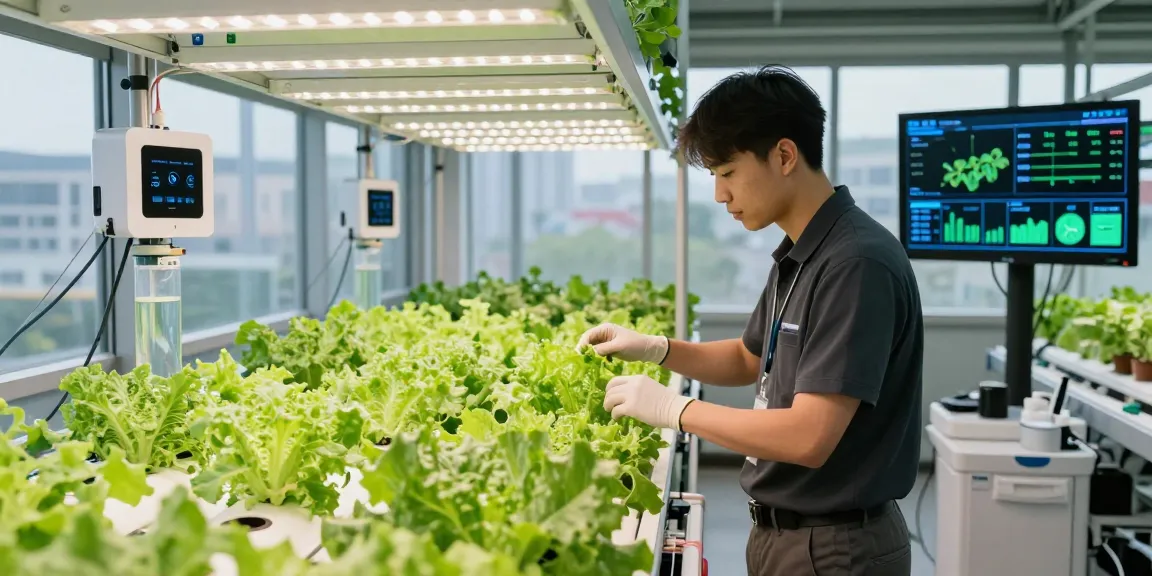
Understanding CIKA4D: Revolutionizing Indoor Agriculture
In an era where sustainability and efficiency are paramount in agriculture, cika4d emerges as a game changer, particularly in the realm of indoor agriculture. This innovative platform is designed to meet the complex needs of modern farmers and horticulturists, offering comprehensive solutions that encompass everything from design to construction. By leveraging advanced technologies and expert insights, CIKA4D is ushering in a new phase of controlled environment agriculture, ensuring that growers can optimize their yield while minimizing resource use. This article explores the role of CIKA4D and DAG Facilities in transforming indoor farming practices through technology and design.
What is CIKA4D?
CIKA4D stands for Controlled Indoor Knowledge and Agriculture for Development. It is a comprehensive application that simplifies the planning, design, and construction of indoor agricultural environments. The platform is tailored to address the unique challenges faced by indoor farmers, including space constraints, climate control, and resource management. By offering a framework that integrates technology with horticultural science, CIKA4D allows users to create customized growing environments that maximize plant health and productivity.
The Role of DAG Facilities in Indoor Agriculture
DAG Facilities plays a pivotal role in the execution of CIKA4D’s vision. As a leading provider of design and construction services, DAG Facilities specializes in creating spaces specifically designed for indoor agriculture, including greenhouses, vertical farms, and specialized grow rooms. Their expertise ensures that every facility is optimized for energy efficiency and operational productivity, aligning with CIKA4D’s mission to foster sustainable agricultural practices.
Key Technologies Used in CIKA4D Solutions
The foundation of CIKA4D’s success lies in the innovative technologies that power its systems. Key advancements include:
- Automated Climate Control: Utilizing sensors and IoT technology, CIKA4D allows growers to maintain optimal temperature, humidity, and CO2 levels.
- Smart Lighting Systems: The platform integrates advanced LED lighting solutions tailored to the specific growth stages of various plants, enhancing photosynthesis and reducing energy consumption.
- Hydroponics and Aeroponics: CIKA4D supports both hydroponic and aeroponic systems, optimizing water usage while ensuring nutrient delivery to plants.
Designing Optimal Growth Environments
The design of indoor agricultural facilities is crucial to their success. A well-structured environment directly impacts plant growth, energy efficiency, and operational costs. By understanding the essential elements of facility design, growers can create optimal conditions for their crops.
Importance of Controlled Climate in Indoor Agriculture
In indoor agriculture, maintaining a controlled climate is fundamental. The ability to regulate temperature, humidity, and light exposure means that growers can create ideal conditions year-round, independent of external weather variations. This level of control not only enhances plant health but also significantly increases yields.
Integrating Lighting Solutions for Maximum Plant Growth
Lighting is one of the most critical factors in indoor farming. CIKA4D offers integrated solutions that adjust light spectrum and intensity based on the specific needs of different plants. By implementing smart lighting systems, growers can mimic natural sunlight, which is essential for optimal photosynthesis and growth.
Ventilation and Airflow Management Techniques
Proper ventilation and airflow management are vital components of an effective indoor growing environment. CIKA4D systems utilize advanced ventilation strategies to ensure that air circulates properly, reducing the risk of mold and mildew while promoting uniform growth. Techniques such as exhaust fans, intake vents, and strategically placed ductwork enhance air quality and temperature regulation.
Construction Best Practices for Indoor AG Facilities
The construction of indoor agriculture facilities requires meticulous planning and execution. Adhering to best practices ensures that facilities are durable, efficient, and capable of meeting the demands of modern agriculture.
Planning and Development Phases of Indoor Agriculture Projects
The planning phase is critical for the success of any indoor agricultural project. It involves assessing the specific needs of the grower, evaluating the site, and designing an efficient layout. CIKA4D aids professionals in drafting blueprints that optimize space while considering essential factors such as water access, electrical supply, and structural stability.
Materials and Tools for Sustainable Construction
Sustainability is at the forefront of indoor agriculture construction. Using eco-friendly materials and tools not only reduces environmental impact but also contributes to the overall efficiency of the facility. Sustainable building practices recommended by CIKA4D include:
- Recycled Materials: Incorporating recycled steel, glass, and plastics reduces the carbon footprint of construction.
- Insulation Technologies: Advanced insulation materials help in temperature regulation, significantly lowering energy costs.
- Modular Construction: This approach allows for flexibility and expands construction efficiency while minimizing waste.
Addressing Common Obstacles in Construction
Constructing indoor agriculture facilities often comes with challenges, such as zoning regulations, funding, and site-specific limitations. CIKA4D provides critical resources and expert guidance to navigate these obstacles, ensuring projects stay on track and budget. By employing a detailed project management strategy, potential delays can be minimized, and project timelines can be adhered to more closely.
Maximizing Efficiency and Sustainability
In today’s agricultural landscape, maximizing efficiency and sustainability is not just a goal; it is a necessity. CIKA4D is at the forefront of this movement, equipping growers with tools and techniques to reduce resource consumption while enhancing productivity.
Energy Efficiency: Solutions for Low-Impact Operations
Energy consumption in indoor agriculture can quickly escalate costs. CIKA4D incorporates energy-efficient technologies such as solar panels, energy-efficient HVAC systems, and smart water management systems. These innovations lead to reduced operational expenses and a lower environmental impact.
Measuring Productivity in Indoor Farms
To ensure that indoor farms operate at peak efficiency, growers must be able to measure productivity accurately. CIKA4D offers integrated monitoring tools that help track growth rates, energy use, and resource consumption. With data-driven insights, growers can make informed decisions that boost efficiency and output.
Future Trends in Sustainable Farming Practices
The future of indoor agriculture is continuously evolving, driven by technological advances and a growing focus on sustainability. Emerging trends include vertical farming techniques, biophilic design principles, and increased use of artificial intelligence in crop management. As these trends develop, CIKA4D remains committed to adapting and providing cutting-edge solutions for its users.
Engaging with the CIKA4D Community
Being part of the CIKA4D ecosystem means engaging with a community of like-minded professionals and enthusiasts dedicated to improving indoor agriculture practices. This community serves as a valuable resource for knowledge sharing, support, and collaboration.
Support and Resources for CIKA4D Users
CIKA4D offers extensive support for its users, including tutorials, technical assistance, and access to a community platform where users can share experiences and tips. This resource network empowers growers to maximize their use of the platform while fostering innovation.
Success Stories: Case Studies from Our Clients
Real-world applications of CIKA4D have led to remarkable success stories in indoor agriculture. From urban farmers maximizing limited space to large-scale operations reducing their ecological footprint, these case studies highlight the transformative power of CIKA4D solutions.
FAQs: Common Inquiries About CIKA4D Technologies
As the interest in indoor agriculture grows, so do questions about CIKA4D technologies. Common inquiries often revolve around implementation, costs, and best practices for achieving optimal results. The CIKA4D support team is always ready to assist users in navigating these queries, ensuring they feel confident in their choices.
